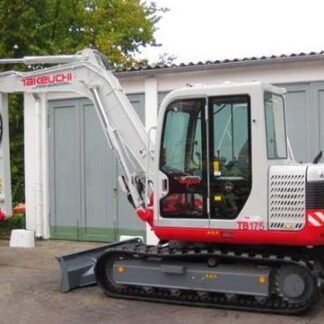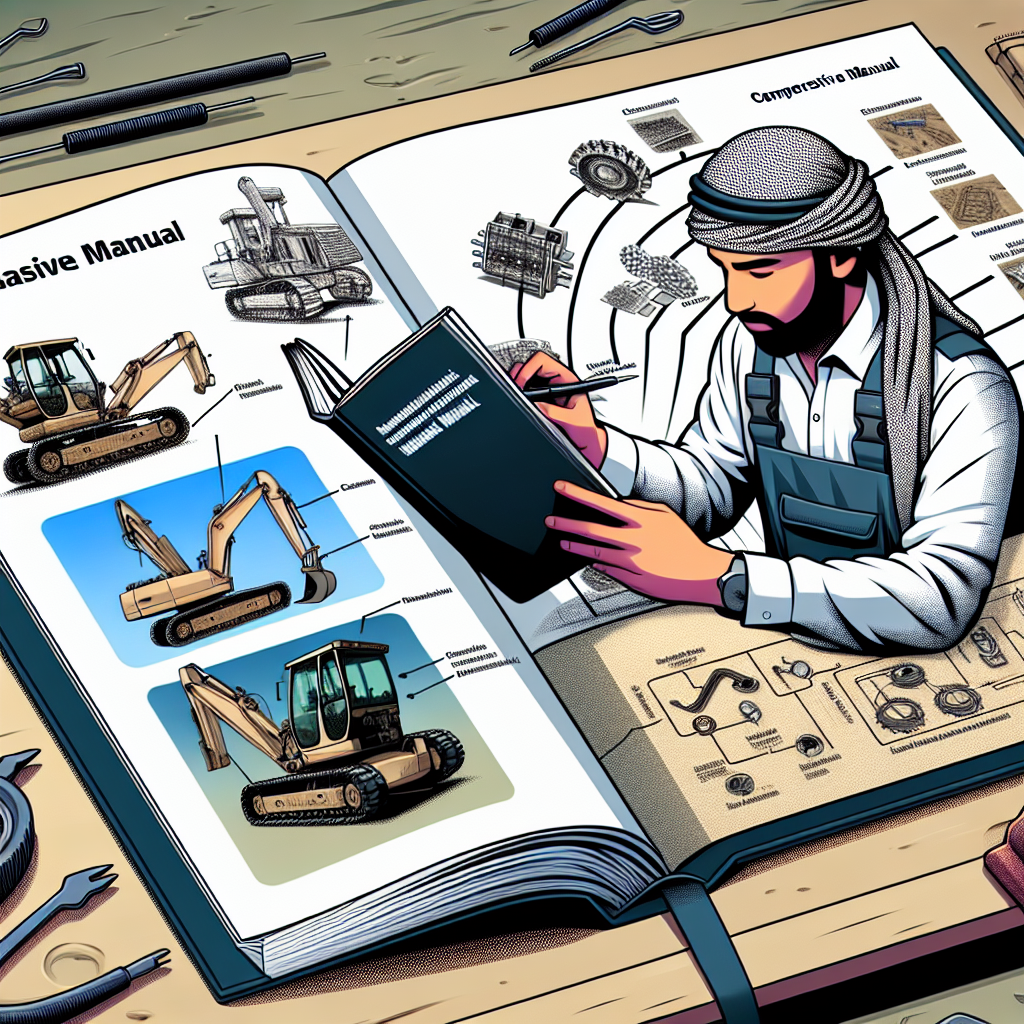
When it comes to maintaining and repairing your Takeuchi machinery, having access to a comprehensive manual can be invaluable. Whether you’re dealing with a minor issue or a more significant malfunction, the Takeuchi manual provides detailed guidance tailored to your equipment. This article will walk you through how to effectively use a Takeuchi manual for immediate repairs. From understanding the manual’s structure to tackling common problems, you’ll learn how to make the most of this essential resource. For further information, visit the Takeuchi manual website.
Understanding Your Takeuchi Manual’s Structure
The Takeuchi manual is meticulously organized to assist users in navigating through the various components and systems of their machinery. Typically, the manual begins with a table of contents that outlines each section and its corresponding page number, allowing you to quickly locate the information you need. Following this, you’ll find an introduction to the machine, including specifications and safety guidelines that are crucial for safe operation and maintenance.
Each section of the manual is dedicated to a specific aspect of the machine, such as the engine, hydraulic system, or electrical components. These sections are further divided into subsections that provide detailed descriptions, diagrams, and step-by-step procedures for maintenance and repair tasks. By familiarizing yourself with this structure, you can efficiently pinpoint the exact part or system you need to address.
In addition to repair instructions, the Takeuchi manual includes troubleshooting guides that help diagnose problems based on symptoms. These guides often feature flowcharts or tables that direct you to potential causes and solutions, saving you time and effort in identifying the root of an issue. Understanding how to navigate these sections is key to leveraging the manual’s full potential.
Finally, the manual concludes with appendices that contain additional resources such as parts lists, technical specifications, and service intervals. These appendices are particularly useful for ensuring that you have all the necessary information and tools before beginning a repair. Familiarizing yourself with the manual’s structure not only enhances your repair efficiency but also ensures that you adhere to the manufacturer’s guidelines.
Essential Tools for Immediate Repairs
Before diving into repairs, it’s crucial to gather the essential tools you’ll need. The Takeuchi manual often lists recommended tools at the beginning of each repair section, which typically include basic hand tools like wrenches, screwdrivers, and pliers. Having these tools on hand ensures that you’re prepared to tackle most standard maintenance tasks.
In addition to basic tools, certain repairs may require specialized equipment such as diagnostic tools or hydraulic pressure testers. The manual will specify when these tools are necessary, so it’s important to review the requirements before starting any repair work. Access to these specialized tools can significantly streamline the repair process and improve the accuracy of your work.
Safety equipment is another essential aspect of your repair toolkit. Items such as gloves, safety goggles, and protective clothing are often recommended to prevent injuries while working on your machinery. The manual will outline specific safety precautions for each task, emphasizing the importance of wearing appropriate safety gear.
Finally, it’s wise to have replacement parts ready before beginning a repair. The manual provides parts lists with detailed descriptions and part numbers, which can be used to order the correct components. Having these parts available reduces downtime and allows for a more seamless repair process. By equipping yourself with the right tools and parts, you’re setting the stage for a successful repair operation.
Step-by-Step Guide to Quick Fixes
The Takeuchi manual is designed to facilitate efficient and effective repairs, with step-by-step instructions that guide you through each process. When you identify a problem, the first step is to consult the troubleshooting section to confirm the issue and determine the necessary repair. Once the issue is identified, locate the relevant section in the manual that corresponds to the repair task at hand.
Each repair section provides a sequential guide, often accompanied by diagrams or images, to assist you in performing the task correctly. The instructions are detailed, breaking down complex processes into manageable steps. It’s important to follow these steps precisely to ensure that the repair is executed properly and safely.
As you work through the repair, pay close attention to any warnings or cautions highlighted in the manual. These are critical for avoiding damage to your machine or injury to yourself. The manual may also provide tips or best practices that can enhance the repair process or extend the longevity of the repaired component.
After completing the repair, the manual typically advises performing a series of tests to verify that the issue has been resolved. These tests ensure that the machine is operating correctly and safely before returning it to service. By adhering to the manual’s step-by-step guide, you can confidently perform quick fixes and maintain the reliability of your Takeuchi machinery.
Common Issues and How to Resolve Them
Takeuchi machinery, like any complex equipment, can experience a range of common issues that require attention. One frequent problem is hydraulic system leaks, which can lead to reduced performance and potential damage. The manual provides detailed instructions on identifying and repairing leaks, including checking for worn seals or damaged hoses.
Electrical issues are another common concern, often manifesting as starting problems or erratic operation. The manual includes troubleshooting steps for diagnosing these issues, such as checking battery connections, inspecting fuses, and testing electrical circuits. Following these steps can help you pinpoint the cause and implement an effective solution.
Engine problems, such as overheating or loss of power, are also addressed in the Takeuchi manual. The manual offers guidance on inspecting cooling systems, checking fluid levels, and assessing engine components for wear or damage. By following these recommendations, you can often resolve engine issues and restore optimal performance.
Lastly, routine maintenance tasks, such as changing filters or lubricating moving parts, are essential for preventing common problems and ensuring the longevity of your machinery. The manual outlines these tasks in detail, providing schedules and procedures for regular upkeep. By proactively addressing these maintenance tasks, you can minimize the likelihood of more serious issues arising.
By effectively utilizing your Takeuchi manual, you can confidently tackle repairs and maintenance tasks, ensuring the optimal performance and longevity of your machinery. Whether you’re addressing common issues or performing routine maintenance, the manual serves as an essential guide. For more detailed information and resources, visit the Takeuchi manual website. With the right tools, knowledge, and guidance, you’re well-equipped to handle any repair challenges that come your way.